It is a...
Read MoreWalking Safari
- Home
- »
- Walking Safari

What are Walking Safaris?
Walking safaris across Chief’s Island in the Okavango Delta offer immersive wildlife experiences inspired by San Bushmen traditions Guided trails explore diverse habitats while teaching medicinal plant use, animal tracking, and settlement knowledge Bush Nature Safaris promotes responsible, eco-friendly tourism through walking trails that are ecologically sustainable Visitors enjoy close encounters with flora and fauna under expert guidance while exploring protected wilderness areas safely, away from predators and risky habitats within Southern Africa’s remarkable safari destinations today.
Walking Safaris in Botswana
On-foot safaris allow an unfiltered connection with Okavango’s Legendary Chief’s Island, heightening the emotions of an adventurous safari.
What to Expect
Unique Experience On Foot
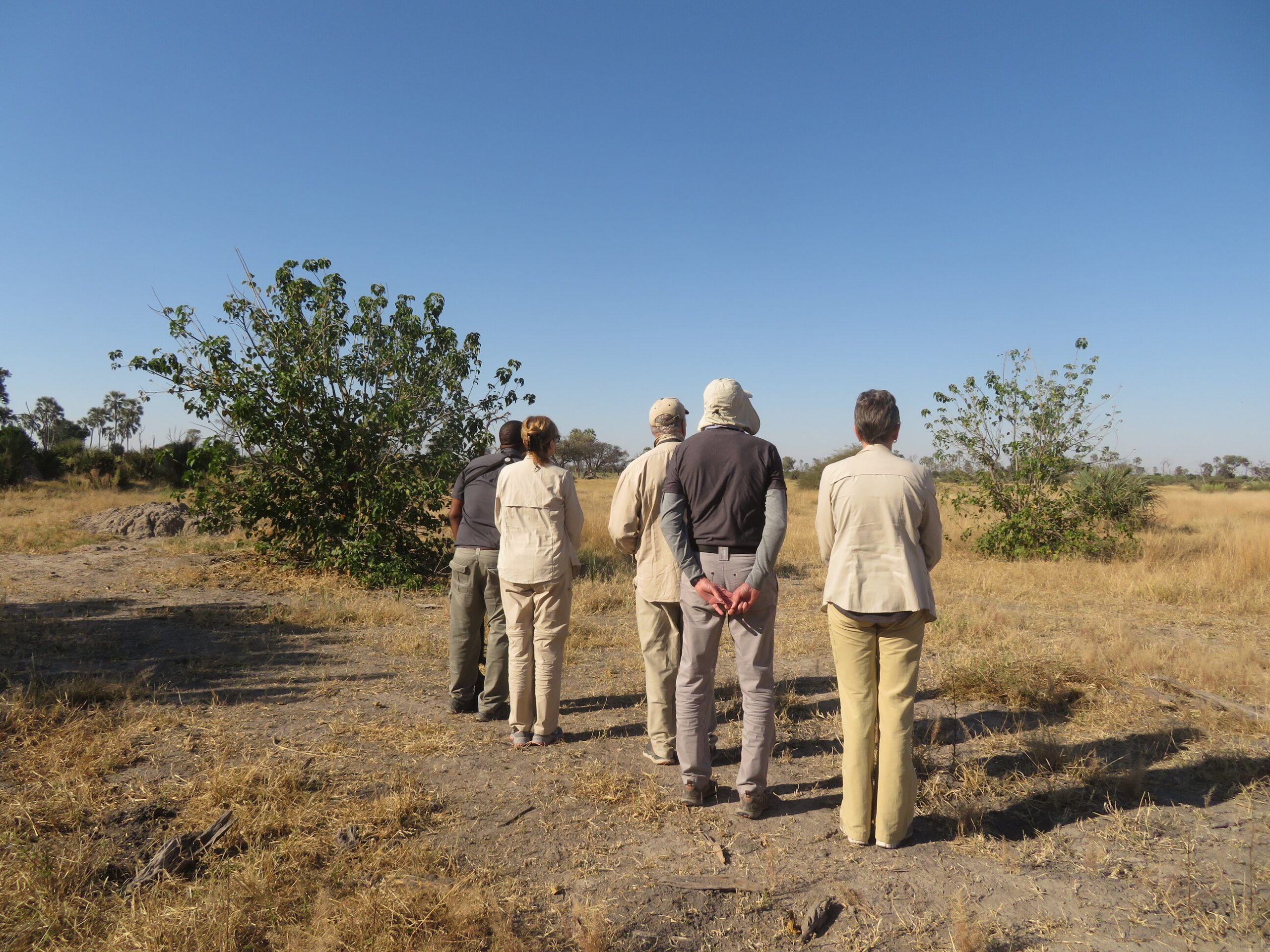
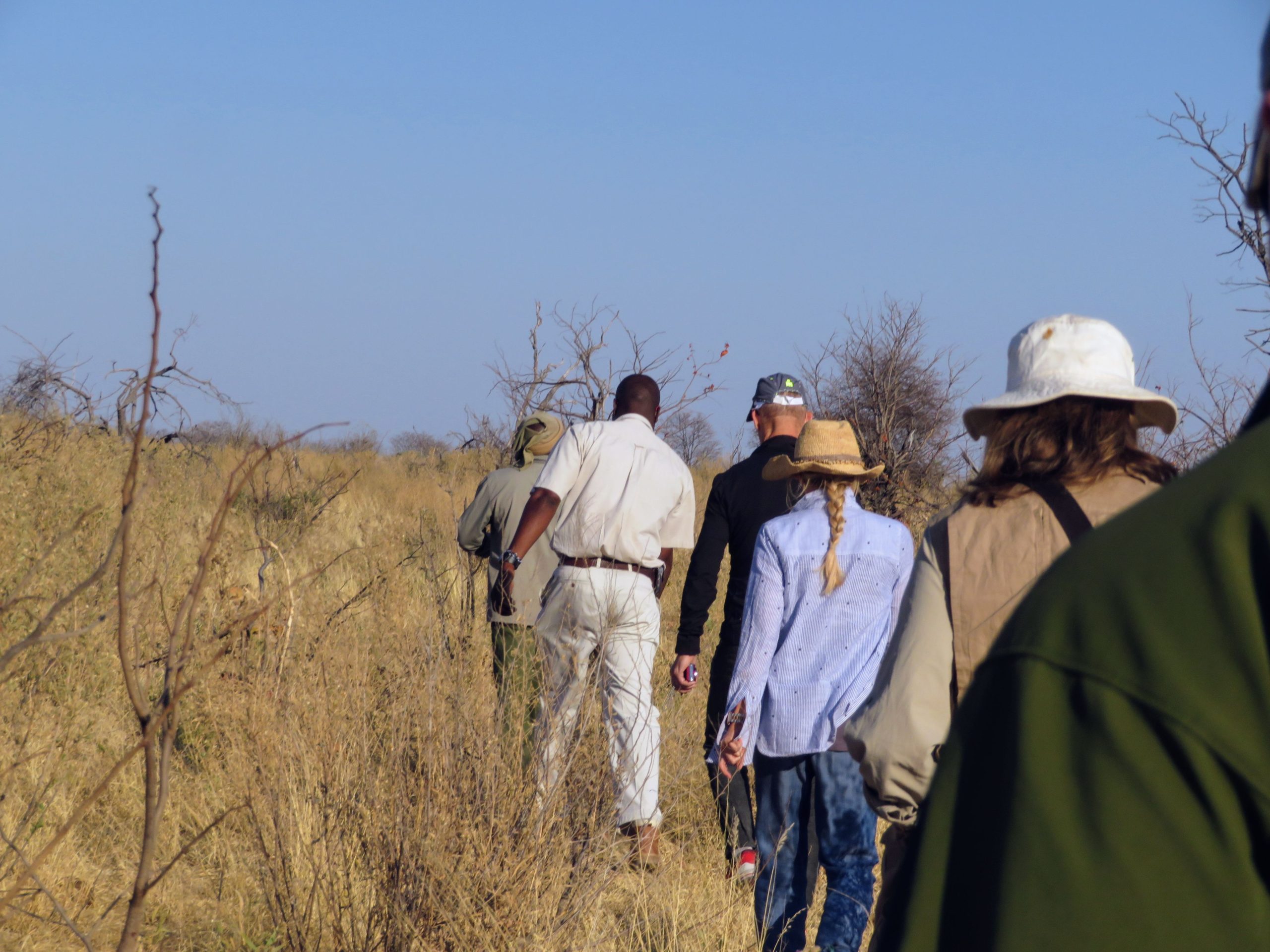
Our 2-night, 3-day Chief’s Island walking safaris host small groups guided by expert rangers Visitors enjoy close wildlife encounters birding photography and immersive Okavango Delta exploration Inspired by traditional safaris these eco-friendly adventures connect travellers with nature wildlife and fellow explorers safely and intimately.
Wildlife Viewing
Animals You Can Witness
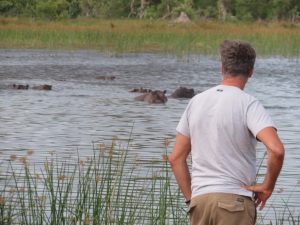
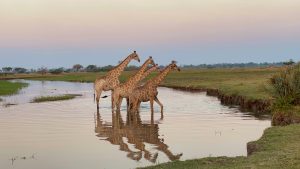
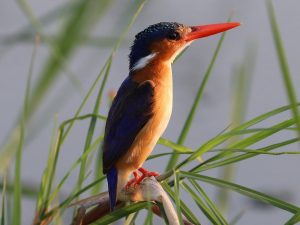
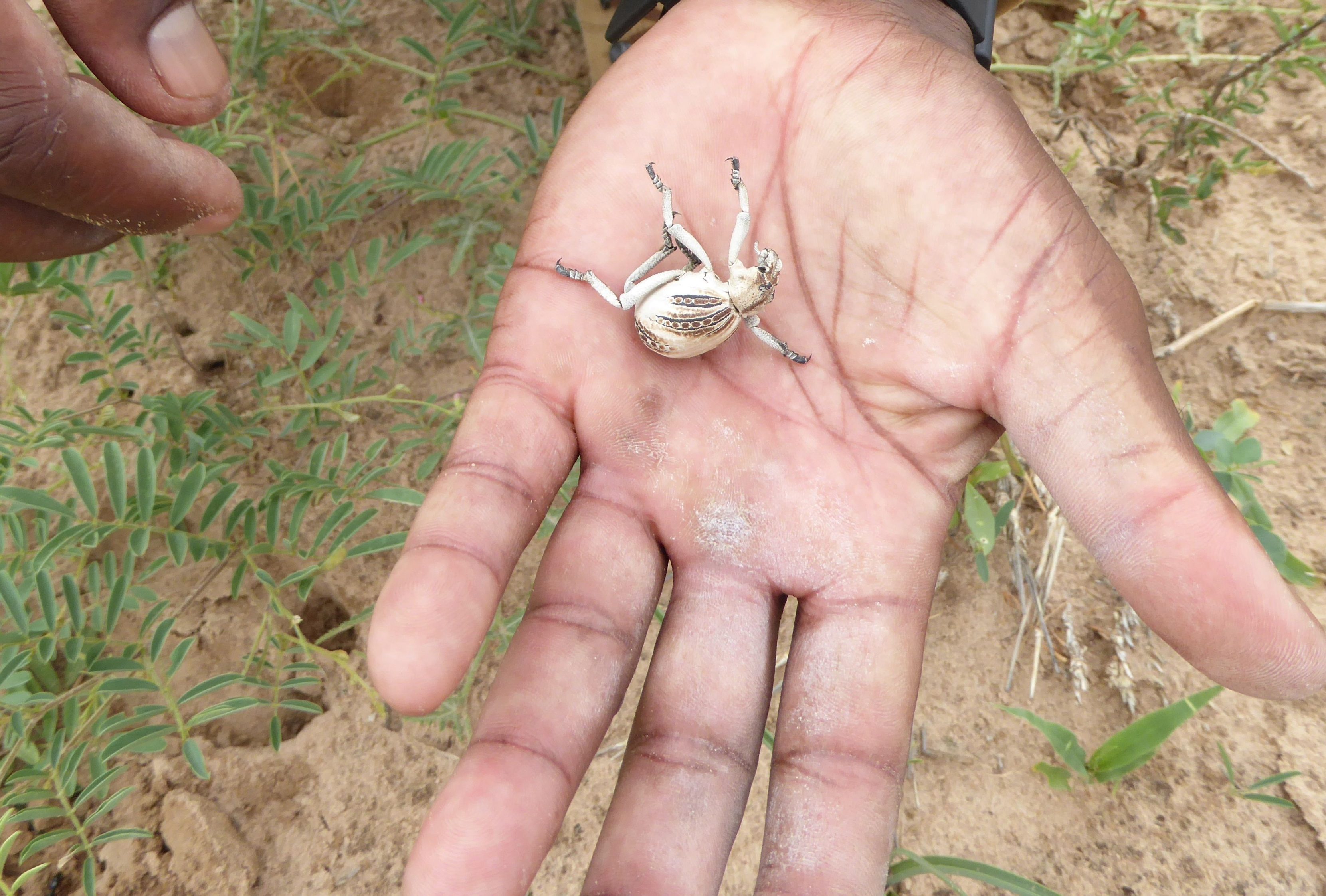
Chief’s Island, Botswana’s Predator Capital, hosts lions leopards hyenas elephants buffalo zebras giraffes impalas lechwe kudus hippos crocodiles reptiles medicinal plants dung beetles and remarkable birdlife including African jacanas Fish Eagles and Malachite Kingfishers creating exceptional walking safari wildlife experiences across the Okavango Delta.
Best Time for Walking Safaris in Chief’s Island
June to August is the best time for walking safaris in Chief’s Island of the Okavango Delta. Walking safaris require better weather for swift travel than other types of safari. Here’s when you can visit the Chief’s Island for an uninterrupted excursion.
June to August
These months have the ideal conditions for walking safaris. With cool, dry weather and low vegetation, wildlife is easier to spot alongside high predator activity.

May to October
The dry season continues to prevail, offering a comfortable walking safari. However, since floodwaters are high, closer on-foot trips to the waterbodies are avoided.

September to October
This late dry season has very high temperatures, which can be tiring or uncomfortable for walking safaris in the Chief’s Island.

November to March
The rainy seasons are marked by high humidity and are not ideal. With muddy, hilly trails, the risk of rain, and low navigability, walking safaris are mostly avoided during these months.

Safety Precautions for Walking Safaris in Okavango’s Chief’s Island
Can’t hold your excitement for a walking safari? We understand, however, that meeting certain safety requirements can enhance your experience without compromising the thrill.
View Gallery
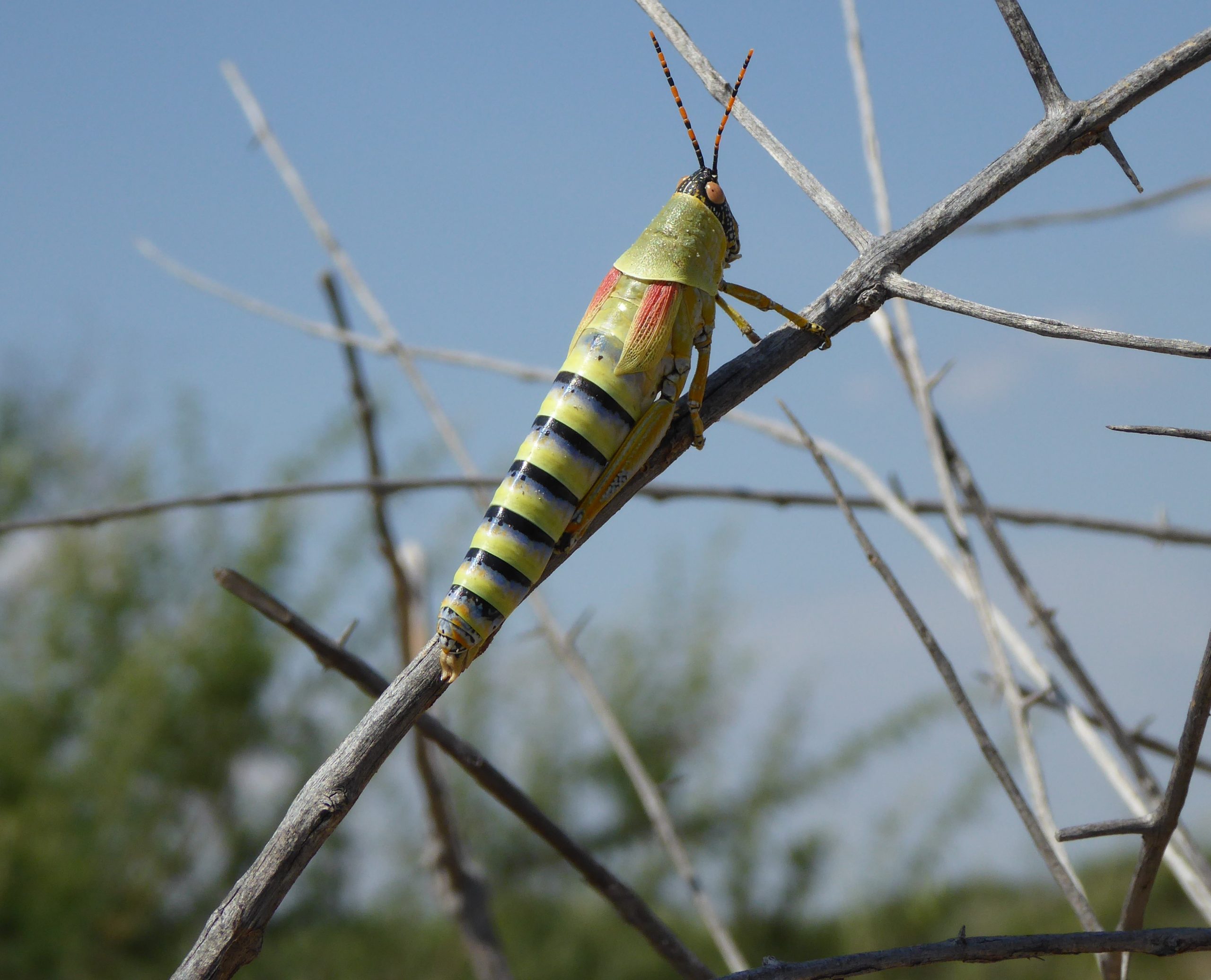
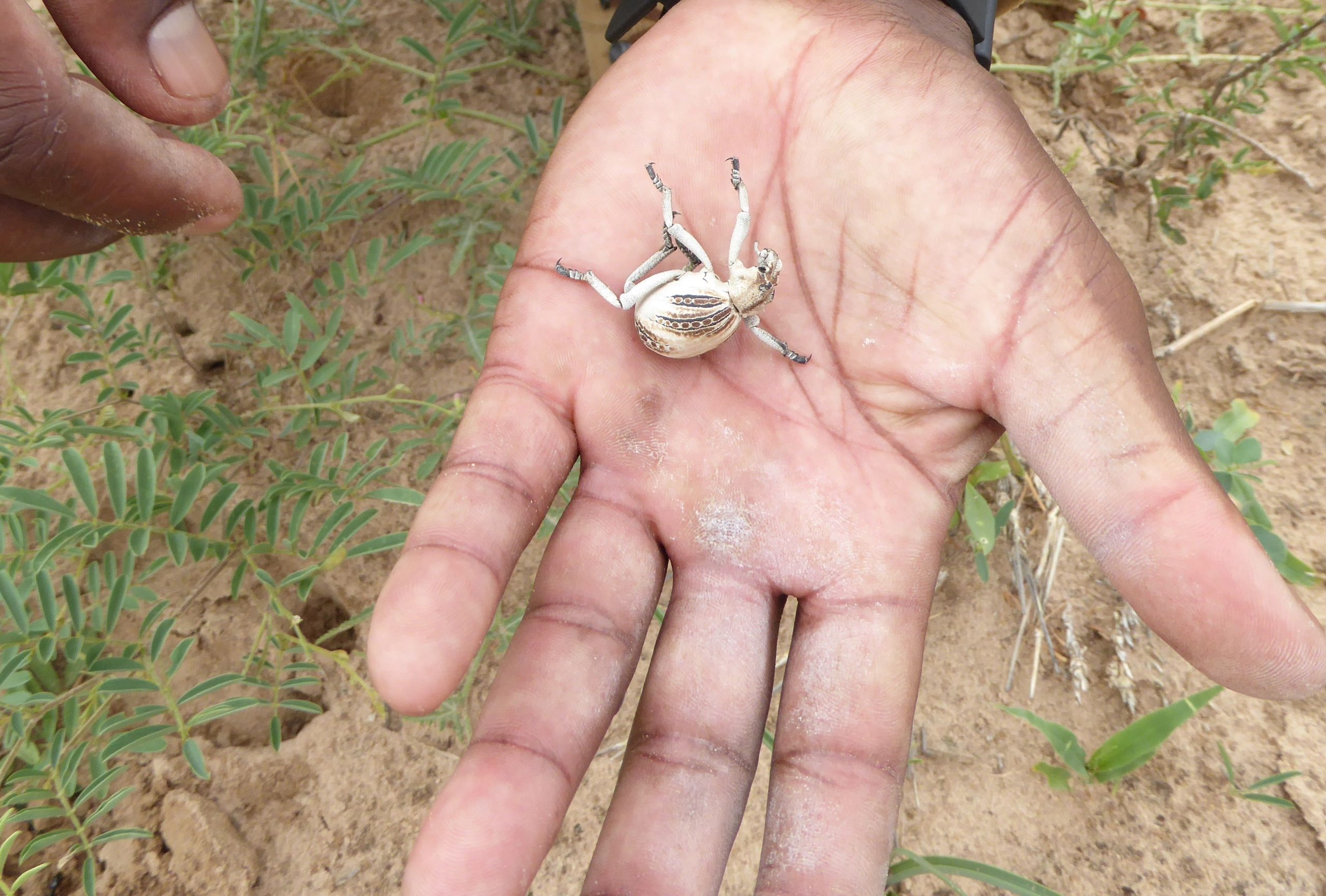
Biodiversity present in Chief’s Island is one of the greatest attractions of the Okavango Delta. Capture the impressive array of wildlife and their symbiotic co-existence in the wilds of Botswana.



Frequently Asked Questions
Yes, absolutely. Chief’s Island in the Okavango Delta is safe for a walking safari, accompanied by expert rangers and in a medium-sized group.
Walking safaris generally last 3 to 4 hours, from morning to full-day excursions.
You should have a standard level of fitness, where you can walk on flat land for the whole day. Necessary tiffin and relaxation breaks will be taken in safe places.
Yes, absolutely. Walking safaris can be combined with mokoro rides, subject to availability, as part of personalized packages. Our team will communicate with you before your booking.
If you are arriving by light aircraft, carry lightweight luggage and adhere to the weight limit, which will be communicated to you during your booking.