Chobe National Park

  1. Home
  2. »
  3. Chobe National Park

Chobe National Park: Majestic Wildlife Destinations of Africa

Chobe National Park spans 10,700 square kilometres across the Northern Kalahari, featuring the dazzling Chobe River, fertile floodplains, mopane forests, and broadleaf woodlands. Famous for huge elephant and buffalo herds, predators, birdlife, and tranquil lodges, the park delivers unforgettable wilderness experiences. The Chobe Riverfront hosts dense wildlife concentrations, while remote Savuti offers peaceful exploration. Couples, families, and frequent travellers enjoy lush riverside vegetation, thick bushes away from water, open landscapes, and remarkable scenery throughout this African wilderness.

Chobe National Park

What You Can Experience?

Discover popular spots and sites across Chobe National Park

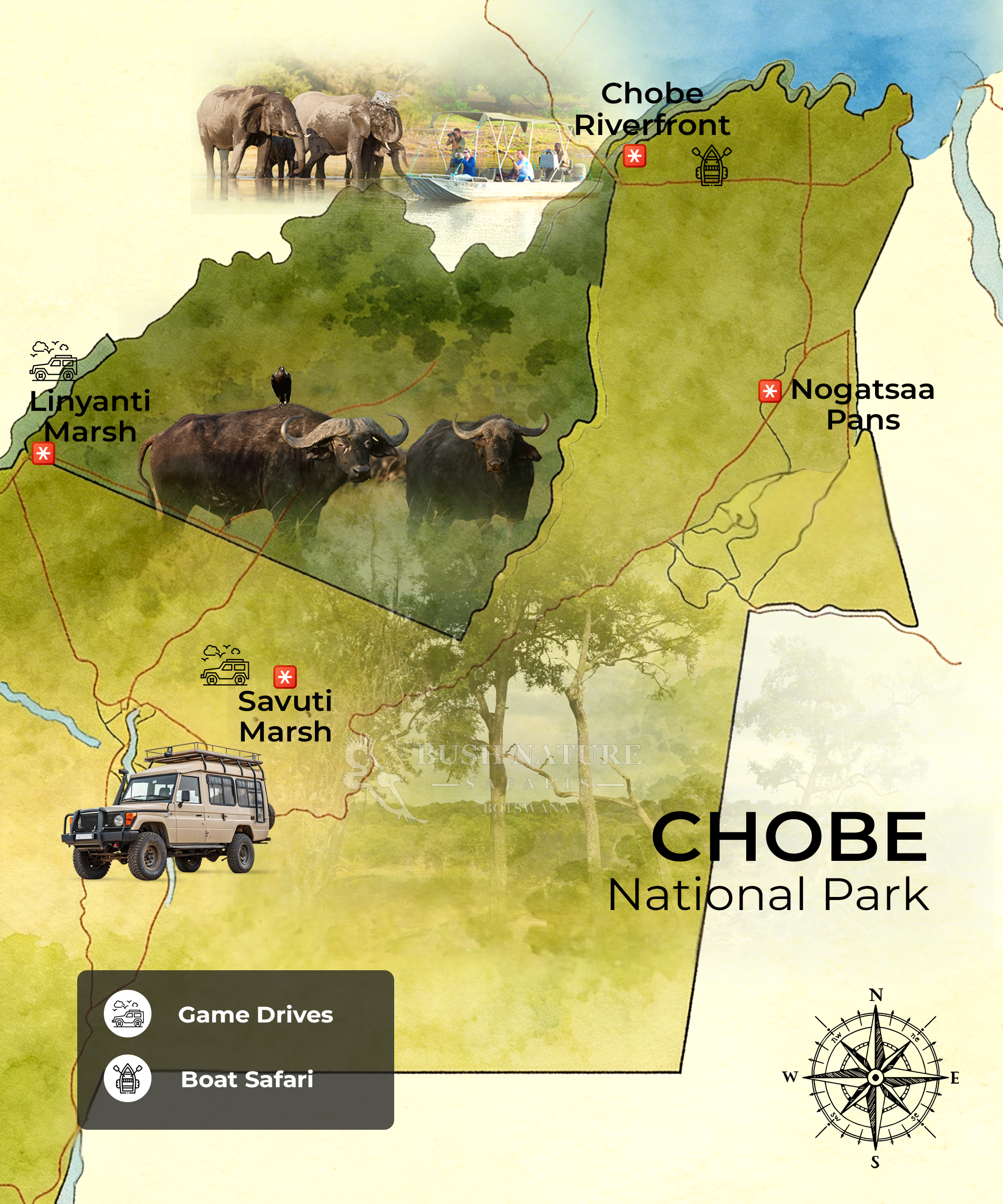
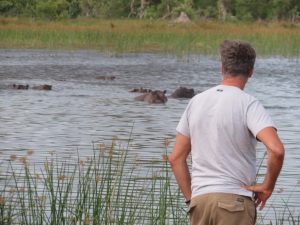
  • Visit the Chobe River for unforgettable boat safaris and close-up views of elephants, hippos, and crocodiles.
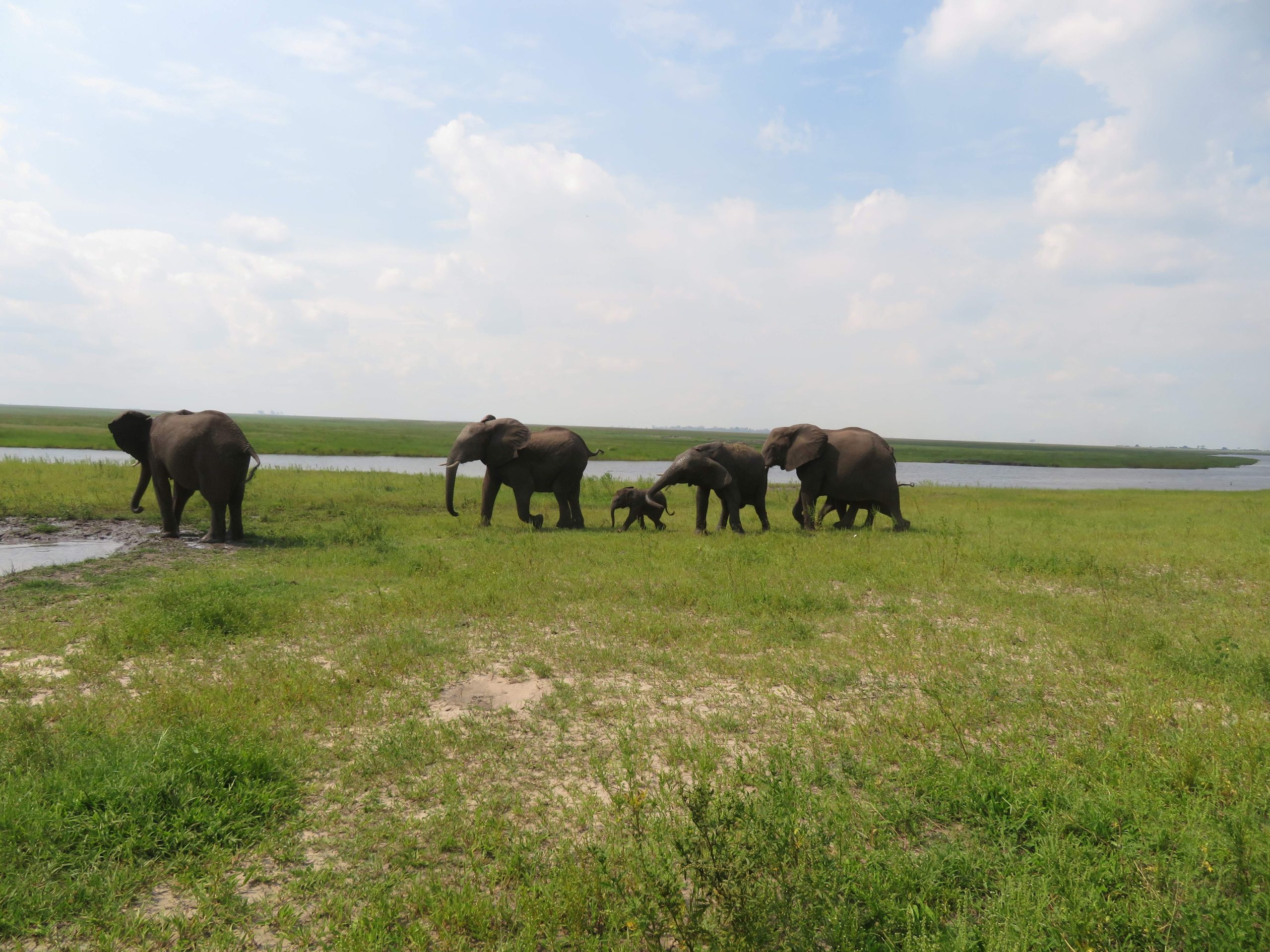
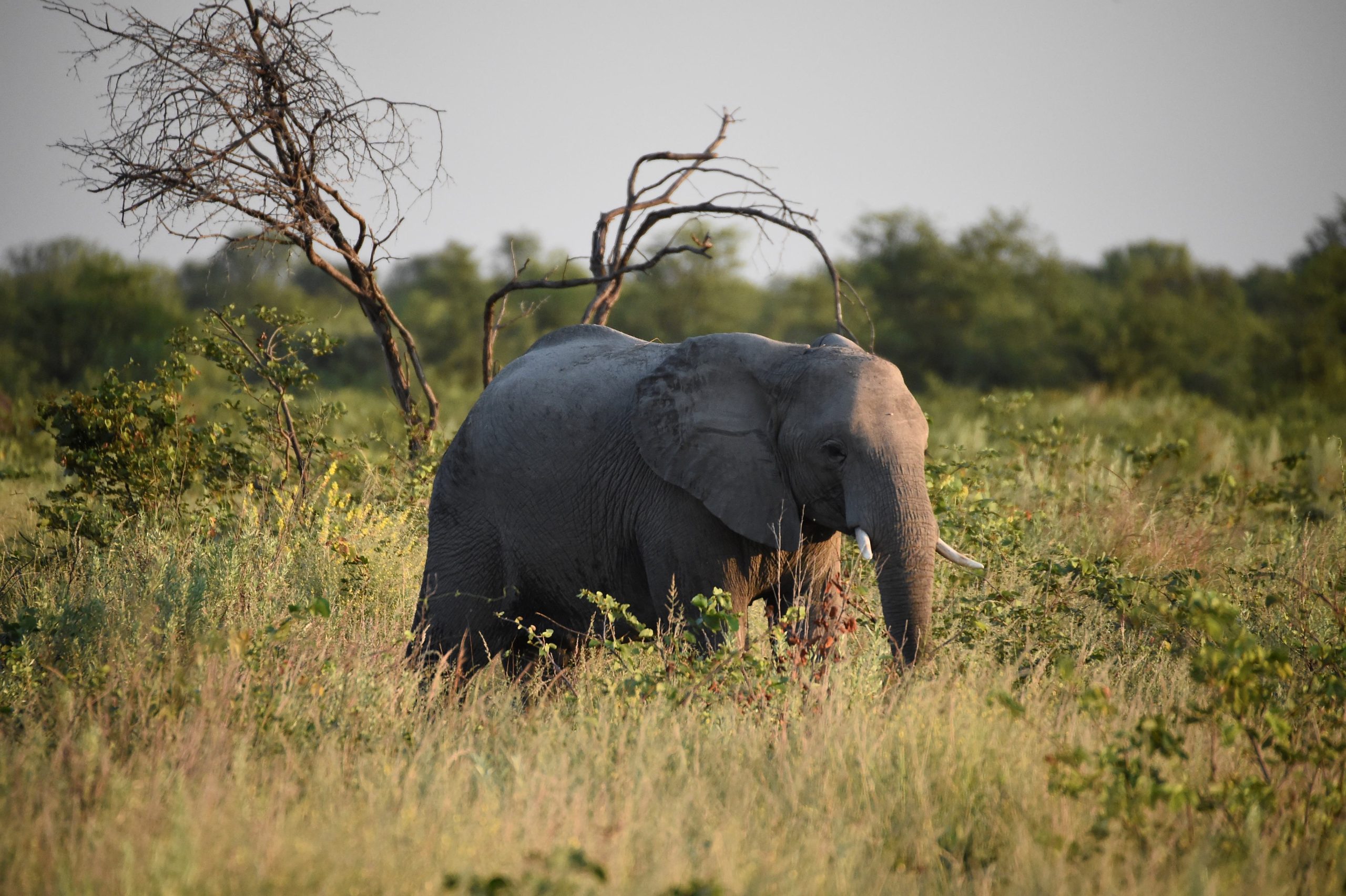
  • Witness one of Africa’s largest elephant populations roaming freely across the park.
  • Explore the Savuti Marsh, famous for dramatic predator action and seasonal wildlife migrations.
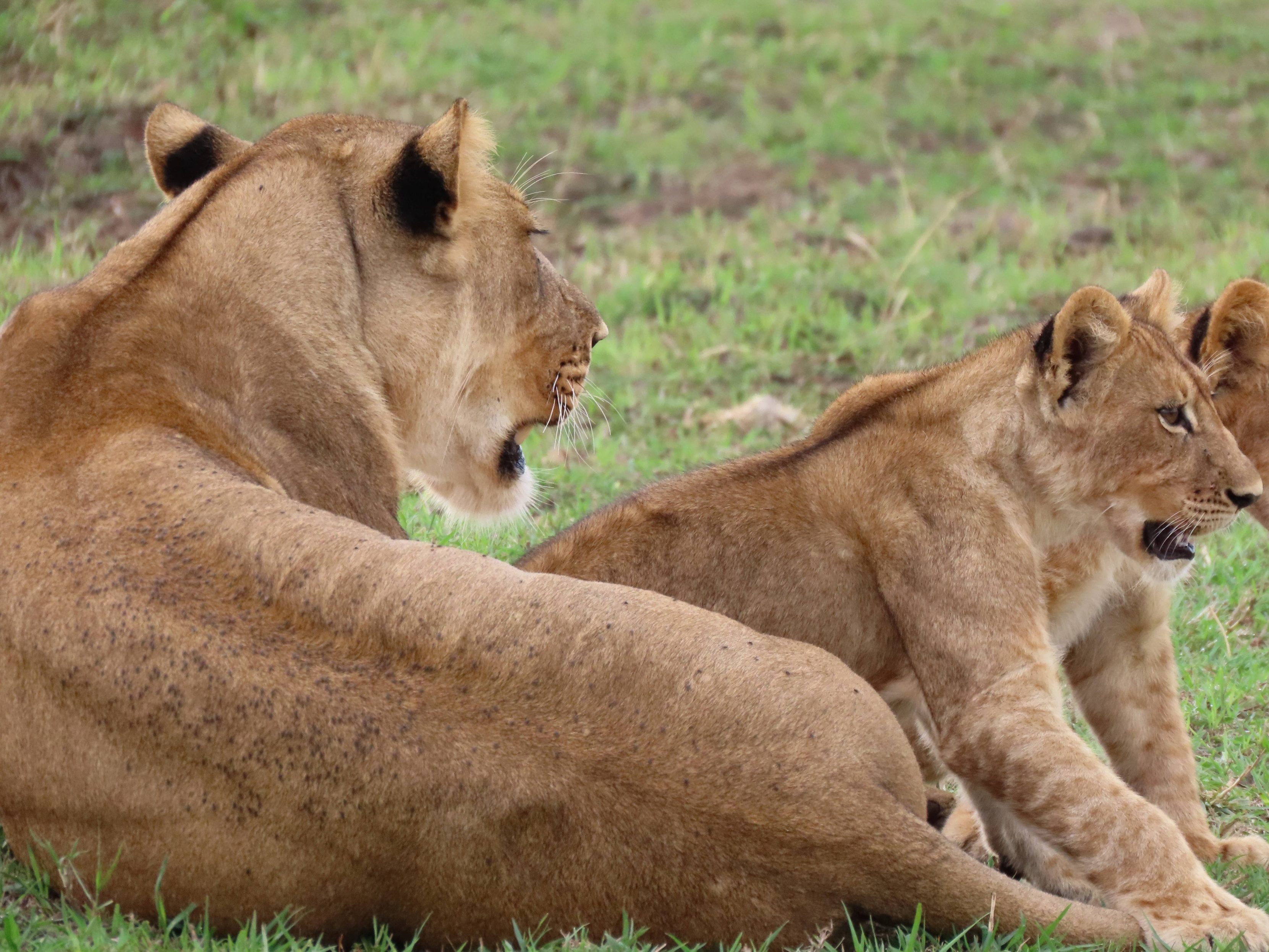
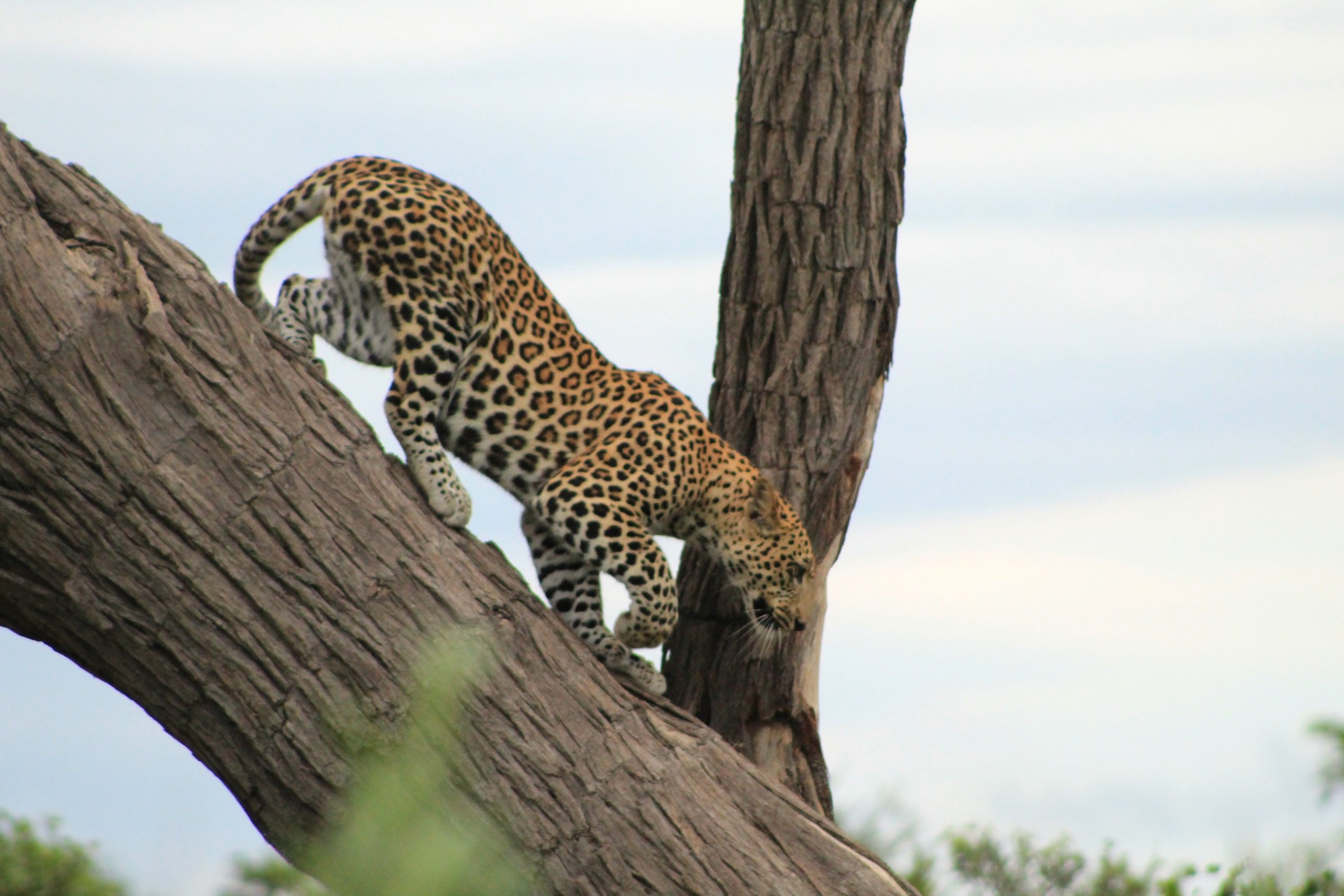
  • Spot lions, leopards, spotted hyenas, wild dogs, and more on thrilling game drives.
  • Discover the Linyanti Marsh, known for its rich birdlife and rare antelope species.
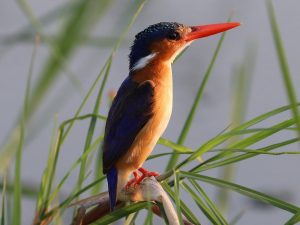
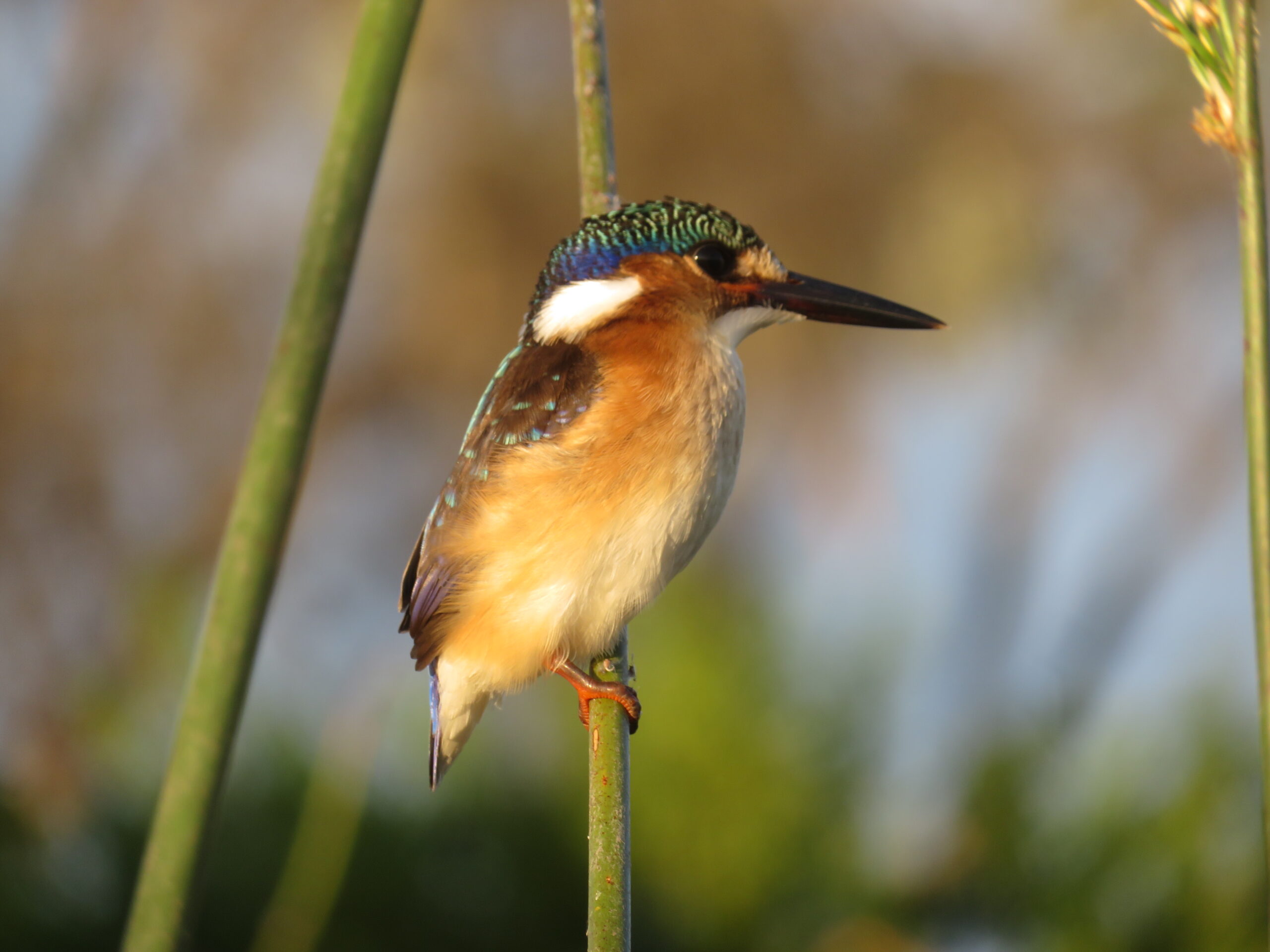
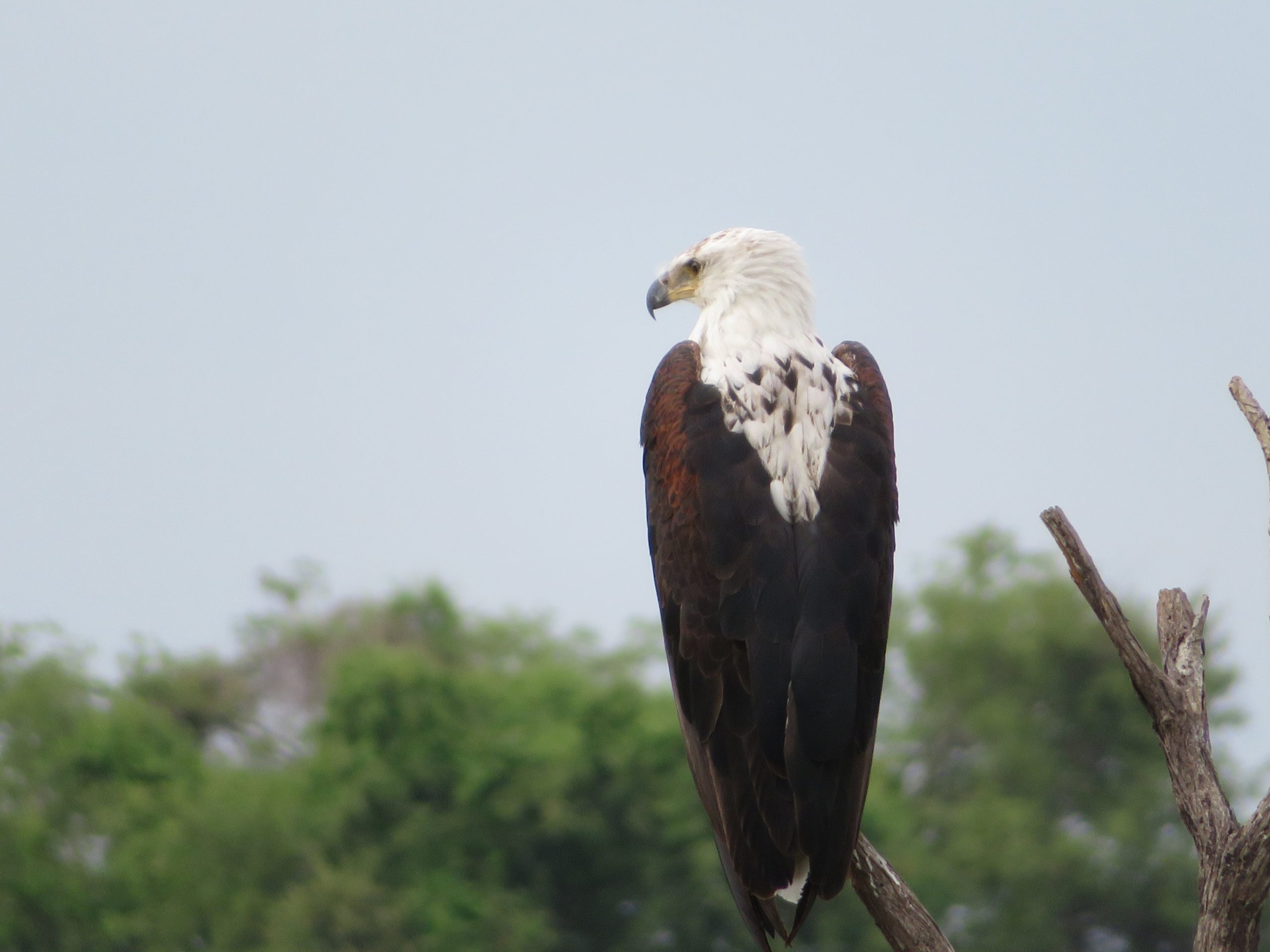
  • Enjoy birdwatching with species like African fish eagles, kingfishers, storks, and herons.
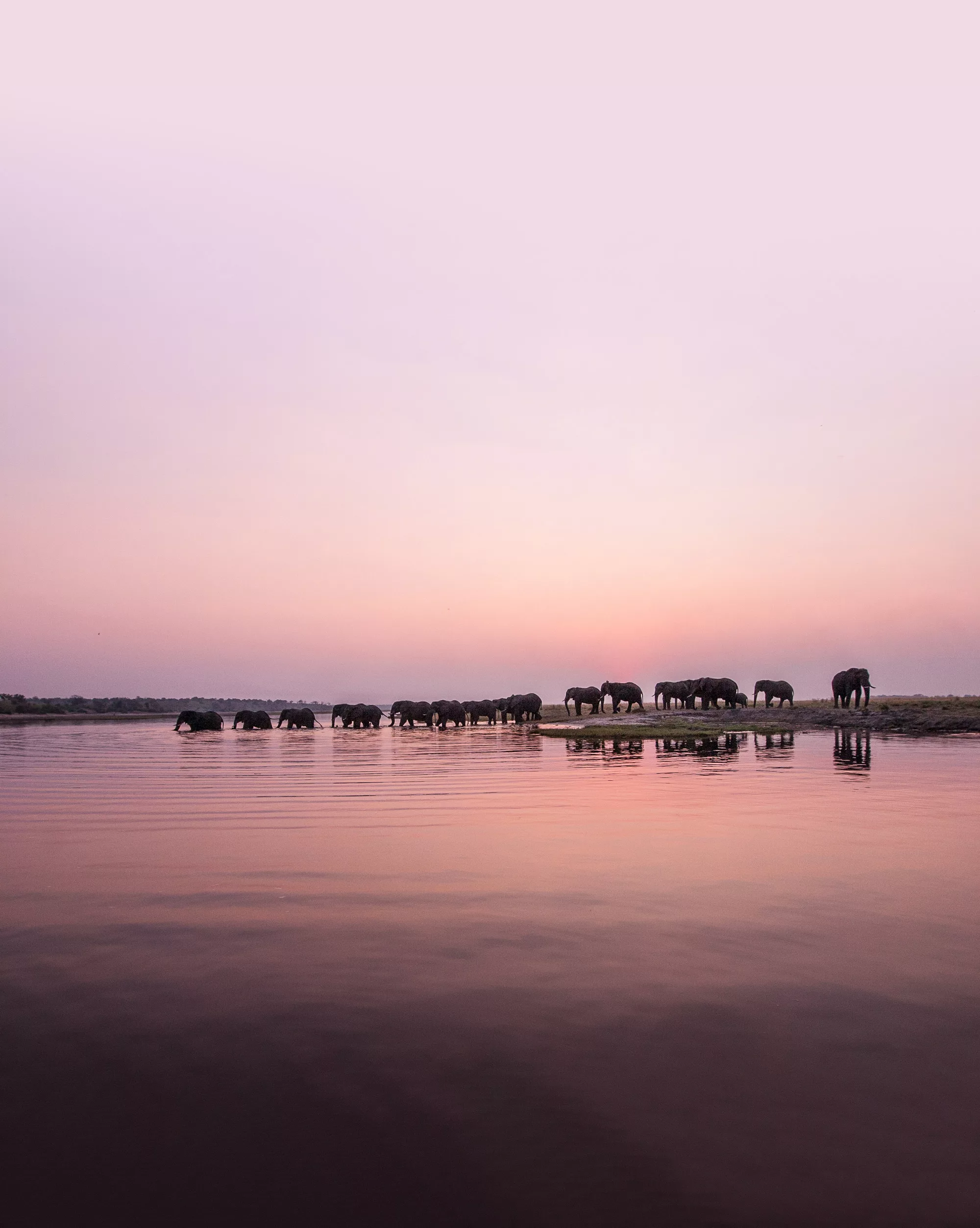
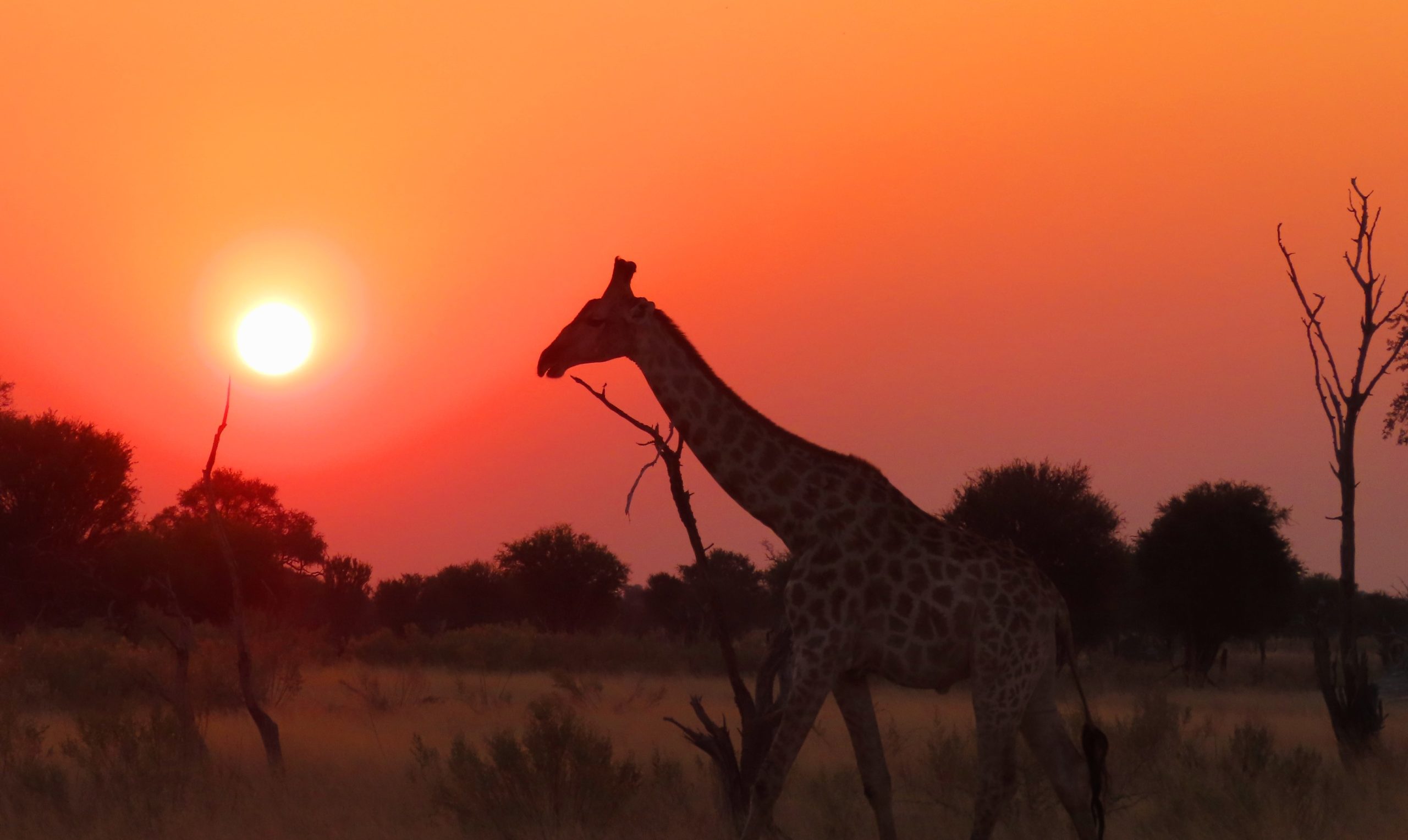
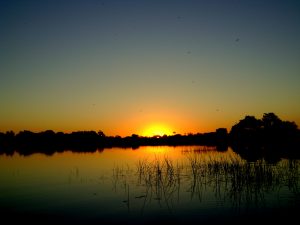
  • Experience breathtaking sunsets along the riverfront with herds of buffalo and elephants gathering at the water.
  • Capture stunning landscapes ranging from floodplains and woodlands to riverbanks teeming with wildlife. 

Chobe National Park Destinations

Chobe National Park does offer diverse landscapes, rich wildlife, and majestic safari experiences. Making it a premier location for unforgettable African wildlife adventures.

Experience

Witness and experience the incredible wildlife all along the Chobe Riverfront.

  • Enjoy scenic sunsets over the river
  • Spot predators like leopards and lions
  • Witness Breathtaking natural landscapes

Wildlife

This region primarily attracts travellers for its rare ecological features and wildlife movements.

  • Witness large wildlife Elephants
  • Buffalo Populations
  • Hippos and crocodiles in the river
  • Experience Antelope species like impala and kudu
  • Presence of rich birdlife, like fish eagles and storks

Activities

When it is related to activities, you can enjoy a wide variety of memorable experiences that make your journey truly special.

  • Enjoy boat safaris all along the Chobe River
  • Birdwatching Excursions
  • Game drives through the diverse terrains
  • Guided nature walks
  • Photography tours

History of Chobe National Park

The Bushmen, Hambukushu, Bayei, and Basubiya mainly inhabited Chobe National Park. After David Livingstone’s visit, it became a reserve in 1961 and a park in 1968.

Chobe Family Safari


Planning a family Chobe Safari becomes memorable with proper preparation. Building excitement through wildlife pictures, checklists, and involving children in packing makes the journey engaging. Since many lodges are in unfenced wilderness areas, checking age restrictions and prioritising safety is essential. Families can enjoy bonding through wildlife encounters, campfire stories, and unforgettable adventures beneath Africa’s star-filled skies together.

Wildlife in Chobe around the clock

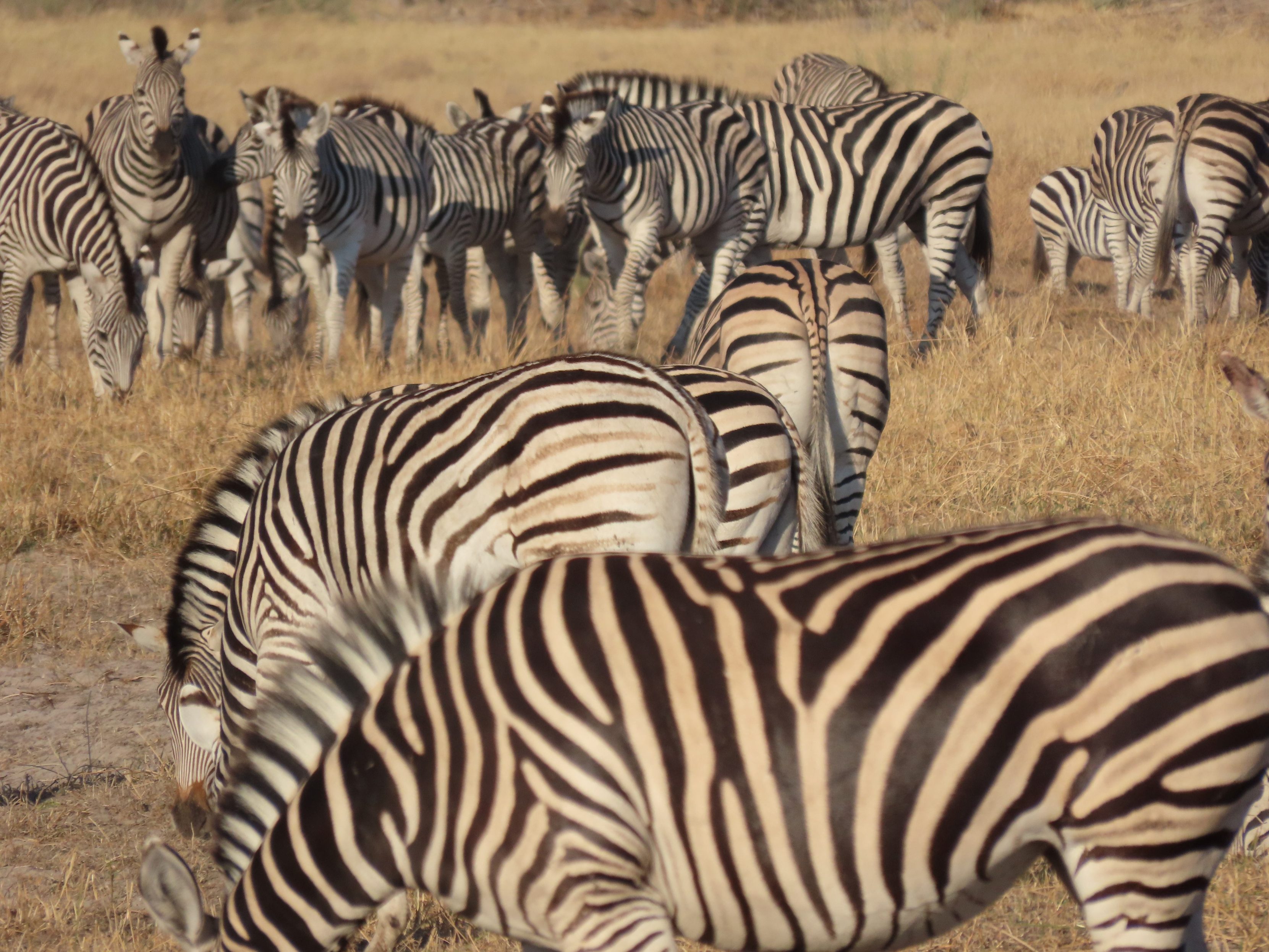
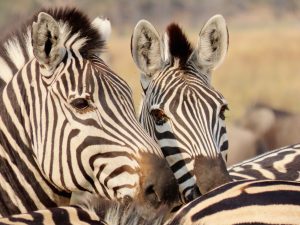
Chobe offers year-round wildlife viewing with elephants and buffalo gathering near the Chobe and Linyanti Rivers during dry seasons. Visitors regularly spot zebra, impala, baboons, wildebeest, kudu, giraffes, warthogs, and vervet monkeys. Lions and hyenas dominate predators, while hippos, crocodiles, leguvaan lizards, cheetahs, leopards, wild dogs, and rare white rhinos create unforgettable wildlife encounters throughout the park.

What is the Best Time To Visit Chobe National Park

The appropriate time to visit Chobe National Park is during the dry season, from May to October.

At this time, the weather remains cool, skies remain clear, and wildlife gather around the river and water sources, making the overall game viewing much more rewarding and easy. While large herds of elephants and buffalo are commonly sighted, alongside predators like lions.

May to November

It is ideal for the first-time traveller to Africa. The Chobe nights never fall below freezing, and the days rarely get intolerably hot. In November, the weather is changeable; it can be rainy or sunny, and it can be hot or cold.

August, September and October

It is a season when you can see sensational game viewing, provided you can endure the heat, as it is scorching during this time of year. Simultaneously, one should always keep the rainy season in mind, particularly when it comes to bird watching.

December to January

The green (rainy) season, from December to January, is when the landscapes in Chobe National Park are lush and colourful. The park has heavy rains, though in abundance; during this period, there are many sunny days. The presence of many water sources supports wildlife, and it is a good time to see newborns and large herds of herbivores. Birdwatching is especially fruitful, and there are many migratory species. Though it may be a little harder to watch the games than during the dry season, the vibrant green vegetation, smaller groups of people and spectacular skies form a very unique and serene safari experience.

January to February

January and February are the rainiest months, and it is well known for spectacular skies, which change within minutes from cloudy to sunny. Showers are short and heavy, but there are days when the sky remains grey, waterproof clothing is essential, but the rain doesn’t need to stop you from doing anything.

Explore Chobe National Park's Wonders

Visit the Chobe National Park, a spectacular safari spot with a variety of wildlife. With huge herds of elephants, to picturesque river promontories, each moment is a discovery. Have exciting game drives, serene boat safaris, and unforgettable experiences with iconic animals in the wild in Africa, leaving lasting memories.

View Gallery

The beautiful nature of each destination is breathtaking and can be explored in our gallery. Epic scenery, memorable wildlife sightseeing, and every picture reveals the spirit of exploration and adventure. Be inspired by colourful scenes, scenic scenes and experiences which make your trip come alive even before you arrive.

Frequently Asked Questions

The dry season, from May to October, and the wet season, from November to April, are best for visiting the Chobe National Park, as you can witness large herds of elephants and predators gathering alongside the river.   The wet season is excellent for experiencing birdwatching.

Some of the main activities you can do on the Chobe River include safe wildlife viewing and elephant swimming and bathing. Game drives offer a higher chance of spotting lions and other predators.

Chobe National Park is located in North-West Botswana, just adjacent to the town of Kasane, which serves as a gateway and has an airport.

Yes, children are mainly permitted on safaris, but individual lodges do have age restrictions (often 6 to 12 years old).

Two nights is the minimum time for a quick visit. While three or four nights enable you to do both boat cruises and game drives. While providing a more relaxed experience.

Scroll to Top